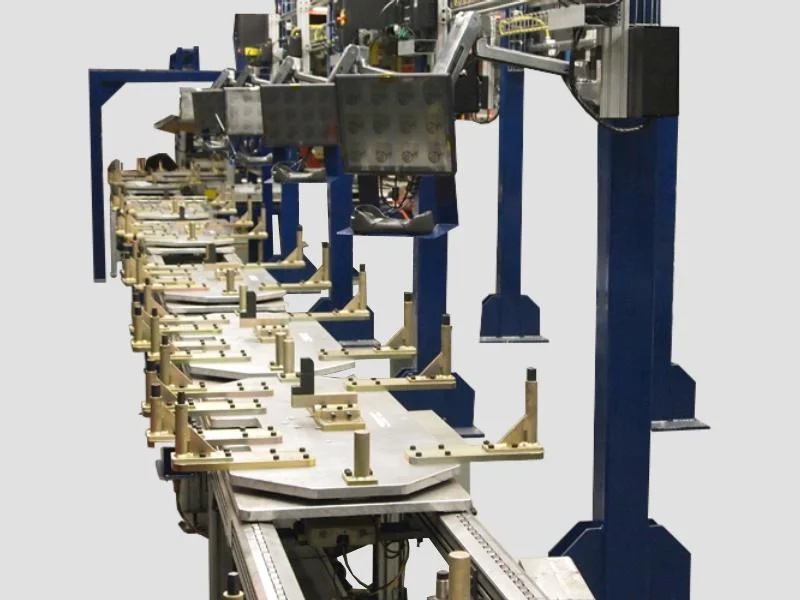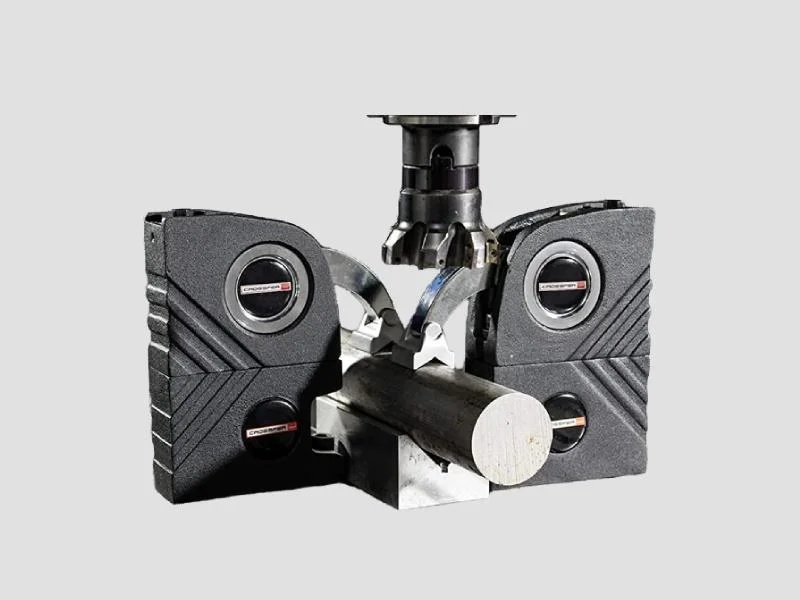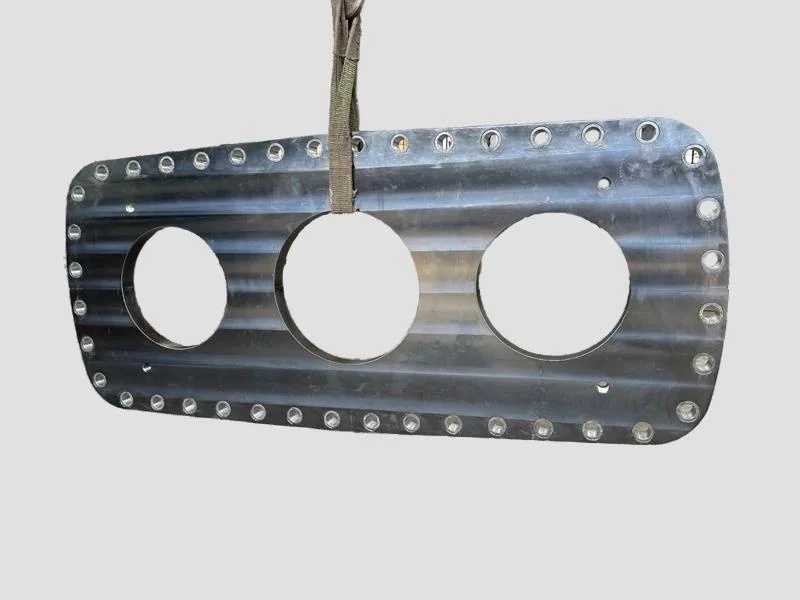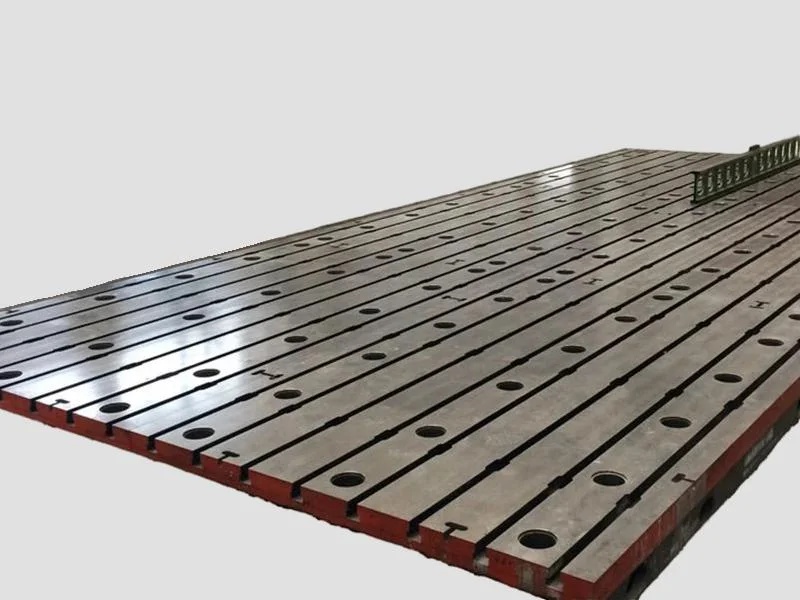
The T Slot Base Plate is a robust and versatile clamping solution widely used in machining, woodworking, and assembly operations. Constructed from high-strength steel or alloy, the plate features precision-machined T-shaped grooves that accept T-slot nuts and bolts, providing a secure and adjustable mounting surface for workpieces, fixtures, and components.Designed for durability and rigidity, these plates ensure accurate positioning, high stability, and repeatable performance during machining and assembly tasks. Their flat, polished surface with corrosion-resistant finish enhances longevity and precision, even under demanding industrial applications.
Cash,Cheque,Demand Draft
Key Attributes
Industry-specific Attributes
Product NameT Slot – Base Plate
MaterialHigh-strength steel / alloy
Surface FinishPolished & corrosion resistant
Slot TypePrecision T-shaped grooves
RigidityStable and vibration-resistant
Other Attributes
ApplicationsMachining, woodworking, assembly
WorkholdingAccepts T-slot nuts and bolts
AccuracyEnsures precise positioning
CustomizationStandard & custom sizes available
Industry UseManufacturing, fabrication, tooling
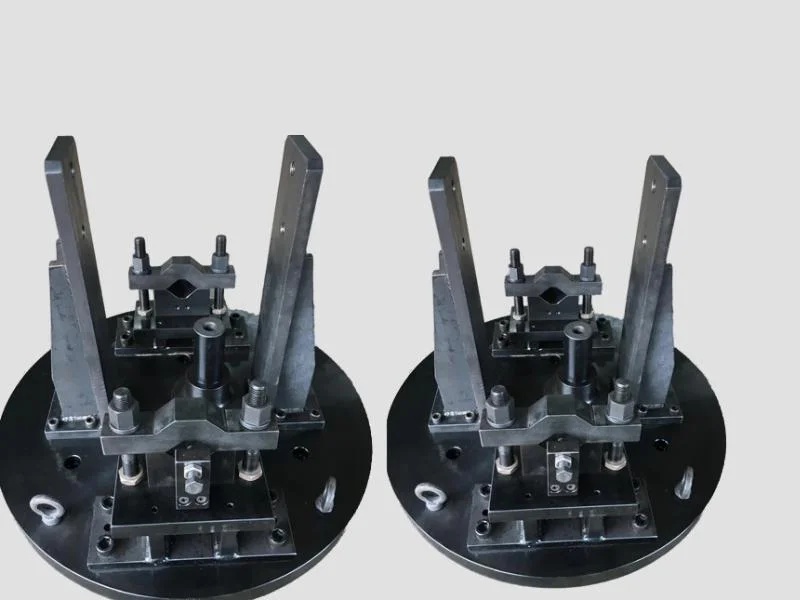
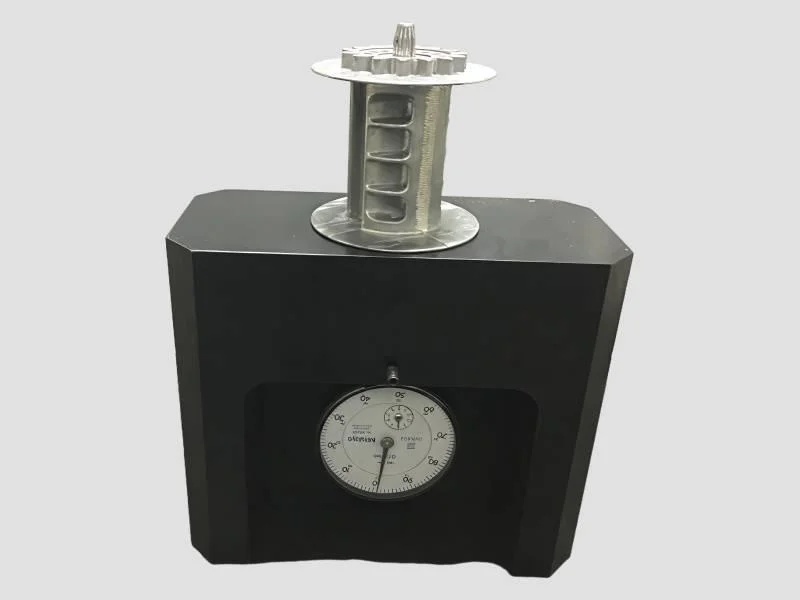
An Assembly Fixture is a specialized tool designed to hold, support, and position components securely during the assembly process. It ensures correct alignment of parts, improving consistency, accuracy, and efficiency in operations such as welding, fastening, or gluing. By minimizing human error and reducing cycle time, assembly fixtures play a critical role in maintaining quality standards in mass production and precision engineering.
PayPal,Cash,Cheque,Demand Draft
Key Attributes
Industry-specific Attributes
Product NameAssembly Fixture
TypeManual
AccuracyHigh precision alignment
DurabilityRobust design, long service life
OperationManual or robotic integration
Other Attributes
ApplicationsWelding, fastening, gluing, assembly
CustomizationBuilt for specific processes/components
EfficiencyImproves productivity & reduces errors
Industry UseAutomotive, aerospace, electronics, machinery
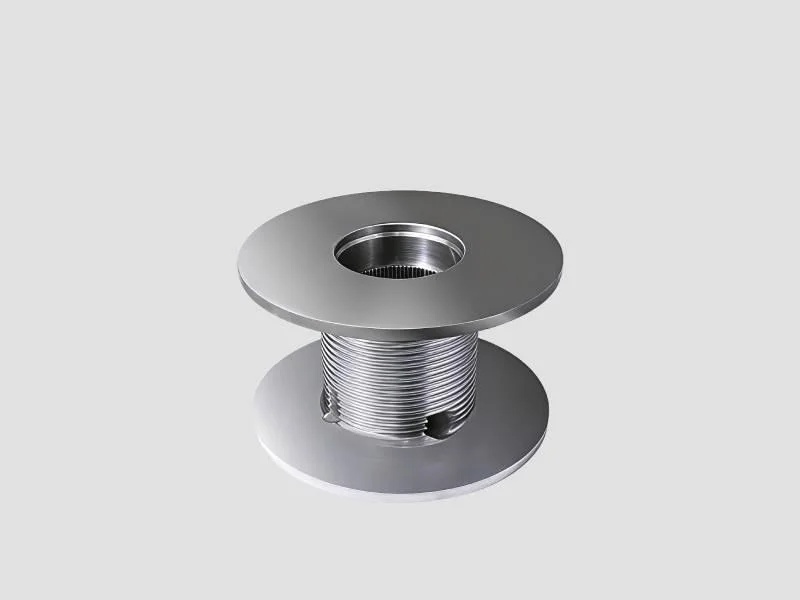
Machine Table-Height Blocks are precision-engineered tools crafted from high-grade materials like hardened steel or granite, offering durability, accuracy, and stability. Designed to maintain consistent height adjustments, they are essential for CNC machines, milling machines, lathes, and grinders. Their polished, corrosion-resistant finish ensures long service life, while tight manufacturing tolerances guarantee precise machining results. Available in various shapes, sizes, and configurations, these blocks can be used individually or stacked, making them versatile for a wide range of machining applications.
Cash,Cheque,Demand Draft
Key Attributes
Industry-specific Attributes
MaterialHardened steel / Granite
FinishPolished, corrosion-resistant
AccuracyHigh precision, tight tolerances
DurabilityLong service life, wear-resistant
DesignAvailable in various shapes and sizes
Other Attributes
ApplicationHeight adjustment for machining operations
Industry UseCNC, milling, grinding, lathes, machine tools
OperationCan be used individually or stacked
CustomizationAvailable in different configurations
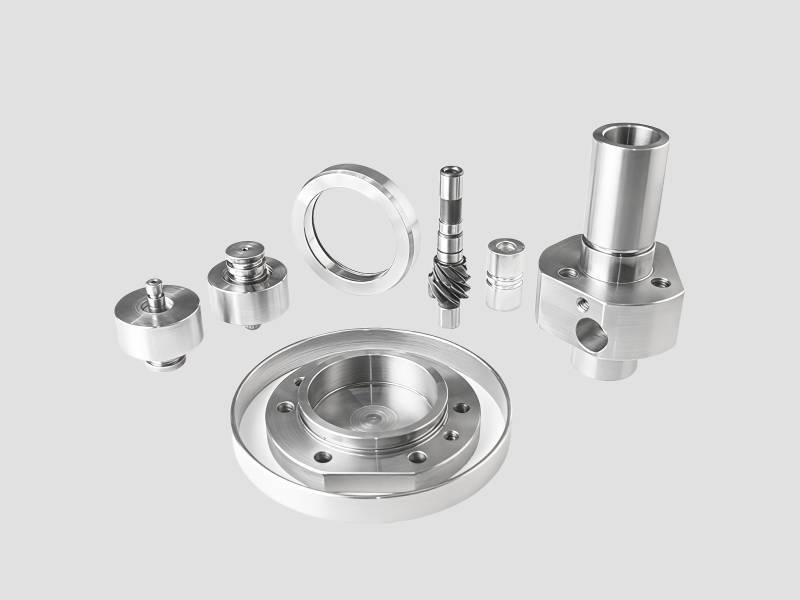
Machine components are the fundamental elements that power the efficiency, precision, and reliability of modern industrial and mechanical systems. These components are designed and engineered with high accuracy to perform critical functions such as motion transmission, mechanical support, and load distribution in machinery across various industries. Whether in textile production lines, automotive assembly plants, packaging units, or heavy engineering equipment, machine components play an indispensable role in ensuring uninterrupted and smooth operations.
Cash,Cheque,Demand Draft,UPI, NEFT
Key Attributes
Industry-specific Attributes
Material TypeStainless Steel / Carbon Steel / Alloy Steel
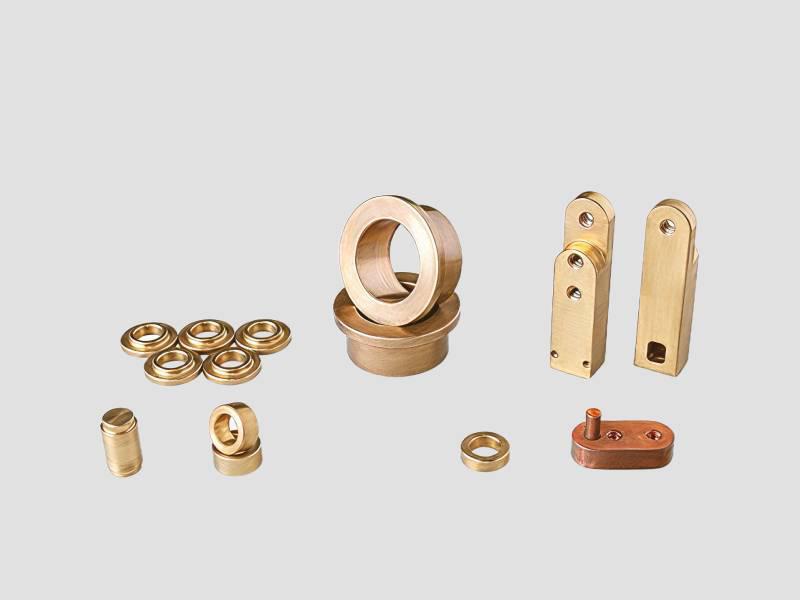
Non-ferrous components are essential engineering elements made from metals that do not contain significant amounts of iron. These include materials like aluminium, copper, brass, bronze, zinc, and nickel alloys. Their key advantage lies in their ability to resist corrosion, maintain lightweight properties, and deliver high conductivity—both electrical and thermal. Unlike ferrous metals, which are prone to rust, non-ferrous components maintain their integrity and performance even in harsh or humid environments.Aluminium and its alloys are among the most widely used non-ferrous materials due to their high strength-to-weight ratio and corrosion resistance. Copper and brass components are preferred for electrical and plumbing applications because of their excellent conductivity and ease of fabrication. Bronze, known for its toughness and low friction properties, is often used in bearings, bushings, and marine hardware. Nickel and zinc alloys, on the other hand, provide superior resistance to wear, oxidation, and high temperatures, making them ideal for aerospace and heavy machinery.